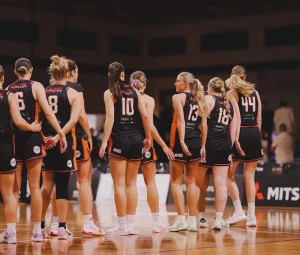
The Role of Home Advantage in High-Stakes Matchups
A tight game feels different when the whole building leans in the same direction. You can hear it in the noise before a third down, feel it in the pause before a free throw, and see it in the way visiting players glance toward the sideline for calm. Home advantage is not magic, and serious fans know better than to treat it like some automatic scoreboard bonus. It is pressure, comfort, routine, crowd energy, travel wear, and emotion all stacked into one uneven contest before the game even starts.
Across the United States, sports culture turns local arenas and stadiums into identity centers. A playoff night in Boston, a college football Saturday in Baton Rouge, or a rivalry game in Kansas City carries more than crowd volume. It carries expectation. For teams, athletes, schools, and local brands trying to understand how attention moves around big moments, a strong sports visibility strategy can matter as much off the field as preparation matters on it. The home team still has to execute, but in high-pressure games, the setting can tilt the margins before anyone touches the ball.
Home Advantage Starts Before the Opening Whistle
The biggest mistake fans make is treating the venue as something that begins to matter only after the game starts. By then, half the work has already happened. A home team sleeps in familiar beds, drives familiar roads, warms up under familiar lights, and hears familiar sounds. The visiting team, even when packed with stars, enters a place built to remind them they are guests.
Why Familiar Routines Calm Players Under Pressure
Athletes love rhythm because pressure attacks rhythm first. A quarterback wants the same timing with his center. A shooter wants the same pregame sequence. A goalkeeper wants the same sightlines and turf response. When a team plays at home, those details stop being decisions and become background noise.
That matters most when the stakes rise. During the NBA playoffs, players often talk about “settling in” during the first few minutes. At home, that settling process starts earlier because the surroundings already feel known. The locker room does not need explaining. The court depth looks right. The crowd noise may be loud, but it is loud in support, not resistance.
Comfort does not replace talent. It protects talent from small disruptions. A great player can perform anywhere, but even great players waste less mental energy when their environment feels stable. That saved energy can show up late in the game, when legs fade and decisions shrink down to half-seconds.
How Travel Fatigue Changes High-Stakes Matchups
Travel rarely looks dramatic on television, but teams feel it in their bodies. Crossing time zones, sleeping in hotels, eating on adjusted schedules, and breaking normal recovery patterns can chip away at sharpness. In a regular-season game, that might mean a slow start. In high-stakes matchups, it can decide who reacts first in the final two minutes.
The NFL gives a clean example. West Coast teams playing early Sunday games on the East Coast have long faced questions about body-clock timing. Coaches can adjust travel plans, but they cannot erase the basic strain of movement. The home team wakes up where it expects to wake up. That sounds small until the visiting offense burns a timeout because the huddle feels rushed.
College sports magnify this effect because young athletes often manage school, travel, nerves, and media attention at once. A visiting team walking into a packed SEC football stadium does not only face noise. It faces a full day of disrupted patterns. The home side gets to turn routine into armor.
Crowd Energy Turns Pressure Into a Living Thing
The crowd is not a decoration. It is a moving force that changes timing, emotion, and decision-making. Fans cannot make a tackle, hit a jumper, or block a shot, but they can make those actions feel heavier for the opponent and lighter for the home side. That is where crowd energy becomes more than noise.
How Loud Stadiums Disrupt Communication
Football shows the clearest version of crowd impact because communication sits at the center of every snap. When Arrowhead Stadium gets rolling, an opposing offense has to fight for basic information. Linemen strain to hear the cadence. Receivers check hand signals. Quarterbacks clap, shout, and gesture while the play clock keeps falling.
That kind of pressure creates mistakes that look technical but start emotional. A false start is not only a lineman moving early. It can be the result of doubt, delay, and sound pressing into a player’s timing. One penalty can flip field position. Two can kill a drive. The crowd never appears in the box score, yet its fingerprints sit all over the result.
Basketball has its own version. In the NBA, a home crowd rising during a defensive stand can speed up a visiting ball-handler. A rushed pass becomes a turnover. A clean look becomes a slightly hurried shot. The difference between calm execution and panic often lives in a fraction of a second, and loud arenas know how to steal that fraction.
Why Fan Support Can Steady the Home Team
Crowds do not only rattle visitors. They also rescue the home team from emotional dips. A baseball player who strikes out with runners on base hears groans on the road, but at home, the next plate appearance can come with applause that says, “We still believe.” That signal matters.
The best fan support works like a reset button. It tells players the game is not slipping away simply because one possession went wrong. In hockey, a home crowd after a big penalty kill can lift the bench before the next shift even starts. Players tap sticks, coaches lean forward, and the arena’s mood turns survival into momentum.
There is a catch. Home crowds can also get nervous, and players feel that too. Anyone who has watched a favorite team protect a late lead knows the sound: not silence, but tight breathing from thousands of people at once. The strongest teams know how to pull energy from the crowd without becoming trapped by its anxiety.
The Home Advantage in Officiating, Momentum, and Emotion
No serious fan wants to believe officials lean toward the home team on purpose. Most do not. Yet sports are played and judged by humans, and humans respond to noise, reaction, and context. Home advantage often hides in those gray spaces where a whistle could go either way, a replay feels tense, or a player sells contact with 20,000 people reacting behind him.
Why Close Calls Feel Different at Home
Officials work under pressure that most fans underestimate. They must make fast calls while players move at speed and crowds react with instant judgment. In a high-stakes game, every marginal call feels loaded. A charge-or-block decision in college basketball can swing not only possession but emotion across the whole building.
The crowd does not need to change an official’s mind directly to shape the moment. It can frame the call before the whistle. A loud reaction makes contact feel bigger. A collective gasp can make a borderline play appear more severe. That does not mean the call is wrong. It means the atmosphere adds weight to the evidence.
Baseball offers a quieter version. A close pitch on the edge of the zone can draw a home crowd reaction when the catcher frames it well. The umpire still makes the call, but the whole scene leans toward certainty. Over nine innings, those little moments can change counts, counts can change swings, and swings can change seasons.
How Momentum Feels Bigger in a Familiar Building
Momentum is often described like a wave, but that undersells it. Momentum in a home venue feels more like a room getting smaller around the visiting team. A made three-pointer, a sack, a breakaway goal, or a stolen base can make the crowd rise at once, and suddenly the opponent has to play through emotion as much as strategy.
Coaches know this, which is why timeouts matter so much on the road. A timeout after an opponent’s 8-0 run is not only about drawing a play. It is about giving players a few seconds where the crowd cannot keep feeding the moment. The whistle creates a pocket of air.
The strange part is that momentum can start from something ordinary. A hard screen. A diving save. A backup guard taking a charge. Home fans recognize effort plays instantly because they know their team’s habits, flaws, and heartbeat. That recognition can turn a small act into a stadium-wide charge.
When Home Field Edge Becomes a Strategic Weapon
Smart teams do not sit back and hope the crowd carries them. They build plans that fit their venue, their fans, and their roster. The best home teams treat place as part of preparation. They know where the noise peaks, how the surface plays, which matchups feed emotion, and when to invite the crowd into the game.
How Coaches Build Game Plans Around Venue Strengths
Coaches understand that every home setting has its own personality. A dome can trap sound and make offensive communication miserable for visitors. A windy outdoor stadium can change passing choices. A basketball arena with a steep lower bowl can make the court feel crowded. None of that guarantees a win, but it shapes smart choices.
In football, a defense playing at home may call more aggressive third-down packages because it trusts the crowd to strain the offense’s communication. In basketball, a coach might push tempo after made baskets because the crowd can turn a quick run into emotional pressure. In baseball, managers know their park dimensions and bullpen routines better than any visitor can.
This is where preparation separates real contenders from teams that merely enjoy fan noise. A strong home team does not ask the crowd to create the plan. It gives the crowd moments to amplify. That difference is huge. Noise without timing is loud. Noise attached to strategy becomes a weapon.
Why Visiting Teams Must Win the First Emotional Test
The first battle for a road team is not always tactical. It is emotional control. Can the visiting side survive the first surge without rushing? Can it handle a bad call without spiraling? Can it keep the crowd seated long enough to make the game feel normal?
Veteran teams often handle this better because they understand that hostile energy fades when fed nothing. A road team that opens with clean possessions, smart tackles, and patient decisions can drain a building fast. Silence becomes its own reward. You can almost see the home crowd thinking, “This might not go the way we expected.”
Young teams struggle here because they try to answer emotion with emotion. They force shots, chase highlight plays, and mistake speed for control. The better road response is colder than that. Make the simple play. Finish the possession. Make the home team earn every cheer.
High-Stakes Matchups Reward Teams That Control the Setting
Big games expose the difference between excitement and control. The home side may own the building, but ownership does not mean command. The team still has to turn comfort, crowd energy, and tactical fit into disciplined action. That is why some teams thrive at home while others look buried under their own expectations.
Why Pressure Can Hurt the Home Team Too
Home fans bring energy, but they also bring demand. A top seed playing Game 7 at home carries the weight of everyone expecting the obvious ending. Every missed shot can feel louder. Every turnover can feel like betrayal. The building that lifted the team in the first quarter can tighten around it in the fourth.
This happens across American sports. A favored college football team trailing at halftime in its own stadium can feel the crowd shift from confidence to alarm. Players hear it. Coaches sense it. The visiting team senses it most of all, because nervous home noise is an invitation.
The best home teams prepare for that emotional turn before it arrives. They do not assume support will always feel warm. They build habits strong enough to survive crowd tension. That is the mature version of playing at home: accepting the boost without becoming dependent on applause.
How Great Teams Make Their Venue Travel-Proof
Championship-level teams know the deeper goal is not only to win at home. It is to create a style that holds up anywhere. Still, the home setting can teach that style. A team that learns to manage noise, pace, and expectation in its own building becomes better prepared for hostile places later.
The Denver Nuggets during recent playoff runs offered a useful model. Their altitude, spacing, and crowd gave them a powerful local edge, but their real strength came from calm execution. The building helped, yet the system carried the team. That balance is what every contender wants.
The lesson for coaches, athletes, and fans is plain: treat the venue as an asset, not a crutch. Use the crowd. Use the routine. Use the familiarity. Then build a team strong enough that those advantages sharpen performance instead of masking weakness.
Frequently Asked Questions
Why does home field advantage matter more in playoff games?
Playoff games carry heavier pressure, tighter margins, and louder crowds. The home team benefits from routine, crowd support, and familiar conditions while the visitor manages travel and hostility. Those edges matter more when one possession, one pitch, or one stop can decide everything.
How does crowd noise affect visiting teams in football?
Crowd noise disrupts snap counts, audibles, blocking calls, and timing. Visiting offenses often rely on silent counts or hand signals, which raises the risk of false starts and missed assignments. Loud stadiums turn basic communication into a constant mental chore.
What sports show the strongest home court advantage?
Basketball, football, and college sports often show strong venue effects because crowd noise, travel, officiating pressure, and emotional swings matter so much. College basketball can be especially intense because student sections sit close and create nonstop pressure.
Can a home crowd influence referees during close games?
Crowds can shape the atmosphere around close calls, even when officials aim to stay neutral. Loud reactions may make contact feel bigger or increase pressure in borderline moments. The effect is subtle, but high-pressure games often turn on subtle things.
Why do some teams play worse at home under pressure?
Home expectations can become a burden. Players may press too hard, fear disappointing fans, or tighten up after mistakes. When crowd energy turns nervous, the home team has to manage both the opponent and the emotional weight inside its own building.
How can visiting teams reduce home crowd impact?
Road teams can slow the game down, start with clean execution, avoid emotional reactions, and score early when possible. The fastest way to quiet a crowd is to deny it easy fuel. Discipline matters more than bravado in hostile venues.
Does travel fatigue affect professional athletes?
Professional athletes have better recovery resources than most people, but travel still affects sleep, timing, meals, and routine. Long flights and time-zone shifts can dull reaction speed. In close games, even a small drop in sharpness can matter.
What makes a stadium intimidating for opponents?
An intimidating stadium combines noise, proximity, tradition, confidence, and timing. The hardest places to play do not stay loud at random; they rise at the exact moments opponents need calm. That pressure can make routine plays feel far harder.